Why We Need HTML, CSS, and JavaScript for Web Development?
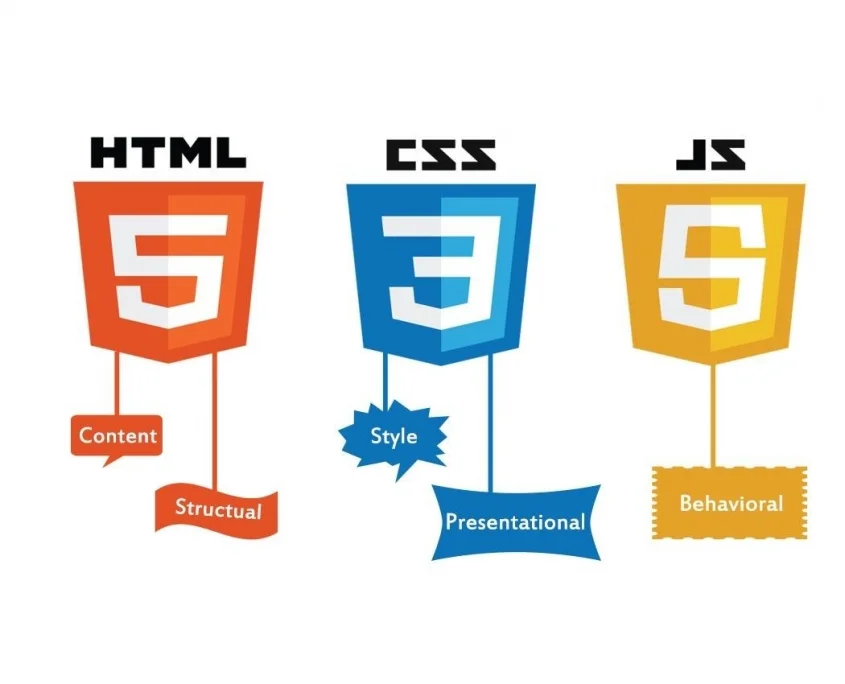
Jul 14, 2024In the world of web development, three core technologies form the foundation of virtually every website: HTML, CSS, and JavaScript. Each plays a distinct role in creating functional, aesthetically pleasing, and interactive web pages. Understanding why we need these technologies and how they work together is essential for anyone looking to build or enhance their web development skills. HTML: The Backbone of the Web HTML, or HyperText Markup Language, is the standard language used to create web pages. It provides the basic structure of a website and is essential for organizing content in a meaningful way. HTML uses a system of tags and attributes to define elements such as headings, paragraphs, images, links, forms, and more. Why HTML is Essential: Structure and Semantics: HTML gives structure to web content, ensuring that it is properly organized and semantically meaningful. This helps both users and search engines understand the content of a web page. Accessibility: Proper use of HTML tags enhances accessibility, making it easier for assistive technologies (such as screen readers) to navigate and interpret web pages. Search Engine Optimization (SEO): Well-structured HTML is crucial for SEO, as search engines rely on the HTML structure to index and rank web pages effectively. Without HTML, there would be no way to create the fundamental framework of a website. It’s the skeleton upon which everything else is built. CSS: Styling the Web CSS, or Cascading Style Sheets, is used to control the presentation of web pages. It allows developers to apply styles, such as colors, fonts, layouts, and animations, to HTML elements. By separating content from design, CSS helps maintain a clean and manageable codebase. Why CSS is Essential: Design and Layout: CSS enables developers to create visually appealing and user-friendly designs. It allows for precise control over the layout and appearance of web elements, ensuring a consistent look and feel across different pages and devices. Responsiveness: With CSS, developers can create responsive designs that adapt to various screen sizes and resolutions. This is crucial for providing a good user experience on both desktop and mobile devices. Maintainability: By using external stylesheets, CSS makes it easier to manage and update styles across multiple web pages. Changes can be made in one place and automatically applied throughout the site. Without CSS, web pages would be plain and unstyled, lacking the visual appeal and usability that modern users expect. JavaScript: Adding Interactivity JavaScript is a versatile scripting language that enables dynamic and interactive web content. It can manipulate the HTML and CSS of a page in real-time, responding to user actions and creating a more engaging experience. Why JavaScript is Essential: Interactivity: JavaScript allows developers to create interactive features such as forms, sliders, animations, and more. It can respond to user inputs and provide instant feedback without requiring a page reload. Dynamic Content: With JavaScript, web pages can update dynamically, fetching new data and displaying it without a full page refresh. This is essential for creating modern web applications that provide seamless user experiences. Enhanced Functionality: JavaScript can be used to implement complex features such as form validation, drag-and-drop interfaces, and interactive maps. It extends the capabilities of HTML and CSS, making it possible to create rich web applications. Without JavaScript, web pages would be static and unresponsive, lacking the dynamic behavior that makes modern websites so powerful and engaging. The Power of Integration While each of these technologies is powerful on its own, their true strength lies in how they work together. HTML provides the structure, CSS adds style, and JavaScript introduces interactivity. Together, they create a cohesive and comprehensive toolkit for web development. Conclusion HTML, CSS, and JavaScript are the cornerstone technologies of web development. Each serves a unique and essential purpose, and together they enable the creation of modern, responsive, and interactive websites. Whether you’re building a simple static page or a complex web application, understanding and mastering these technologies is crucial for any web developer. By leveraging the power of HTML, CSS, and JavaScript, you can create web experiences that are not only functional but also engaging and visually appealing.